Robert Macfarlane: Natur, Wildnis, Landschaft, Schreiben.
Where the wild things were. Robert Macfarlane responds to readers' nominations of the great classics of British nature writing. 30.7.2005.
4x4s are killing my planet. Concluding his series on literature and landscape, Robert Macfarlane argues that classic works of nature writing can help us rediscover values that are not commercial, but local and hopeful . 4.6.2005.
Extreme styles of hunting. Robert Macfarlane sees Essex through the hawk-eyes of JA Baker. 21.5.2005.
Rock of ages. Robert Macfarlane on how Tim Robinson read messages from history in Aran limestone. 14.5.2005.
The quartz parliament. Jim Perrin's radical, joyful essays deny the heresy that nature is a luxury, argues Robert Macfarlane. 7.5.2005.
An impish spirit . Robert Macfarlane sings the praises of Anne Dillard, who won a Pulitzer Prize in 1975 for Pilgrim at Tinker Creek. 30. 4 2005.
Plains song. Robert Macfarlane on why Willa Cather fell in love with the prairies. 16.4.2005.
Back to the source. Raymond Carver was a late convert to the transcendent power of nature, writes Robert Macfarlane. 9.4.2005.
Seeing the light . Robert Macfarlane on Barry Lopez, whose language grips an Arctic wilderness now under threat. 2.4.2005.
Only connect . In the first of a series of articles about writers and landscapes, Robert Macfarlane argues that we must pay more careful attention to nature. 26.3.2005.
Where the wild things are. Robert Macfarlane salutes the brilliant nature writing of John Muir - tramp, botanist, geologist, mountaineer and visionary environmental activist. 30.10.2004.
Call of the wild. Derided and marginalised, nature writing in Britain has been in decline for 70 years. But the winner of this year's Guardian First Book Award, Robert Macfarlane, detects signs of a renaissance. 6.12.2003.
On top of the world. Robert Macfarlane's fascinating personal account of the appeal and terrors of high-altitude climbing won him the Guardian First Book award last night. He tells Oliver Burkeman how he fell in love with the mountains. 5.12.2003.
I sought risk out. I courted it. In fact, I paid for it... Extracted from Mountains of the Mind: A History of a Fascination. 5.12.2003.
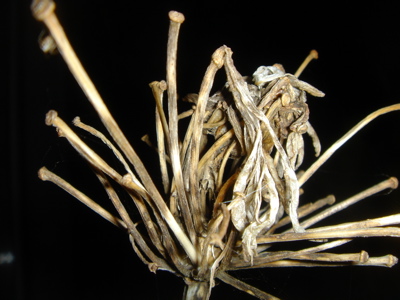
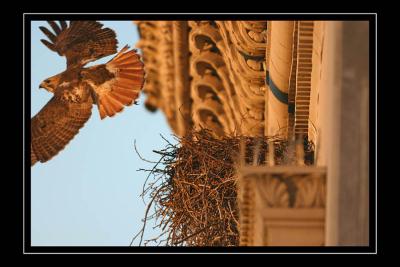
So the residents of Fifth Avenue find their eating habits offensive? Just because your meat comes in a boneless filet doesn't mean there is no carcass. Letting some minimum-wage worker do your dirty work does not separate you from the rest of the carnivores.Was für eine Geschichte: A New Pecking Order on Fifth Avenue. Und: Pale Male: Bring Back the Nest!, das Weblog zu den Falken der Fifth Avenue.
die blöden motten bei mir gehen seit jahren nur auf die anzüge und den kaschmir los
Reference Library of Digitized Insect Sounds. Drin ist, was draufsteht: wav-Soundfiles mit Insektensummen, -surren und -schwirren. Zum Beispiel: Otiorhynchus sulcatus (black vine weevil) larvae in a 1-gallon pot containing a yew tree.
Wie zählt man eigentlich seltene und aussterbende Tiere? Hochinteressante Geschichte im Guardian: The problem with counting rare animals, writes Alok Jha, is that they can be very hard to spot.
kommt der Herbst & dann der Winter & wohl dem, der jetzt noch ein Zuhause hat.
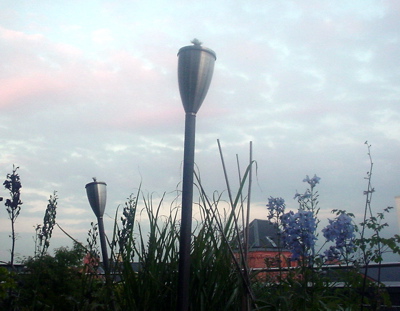
wenn man erfährt, dass sogar die Tomaten auf der Dachterrasse eine Geschichte haben, die sich dazu eignet, beim Lagerfeuer nach der Ernte erzählt zu werden. Distinktionsgewinn galore!
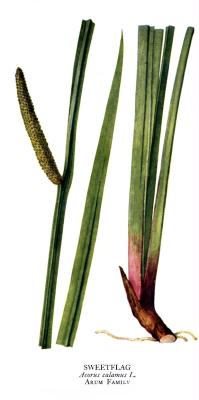 |
Bei Michael Moore (Southwest School of Botanical Medicine) gibt es gewiss instruktive Artikel, aber vor allem einige Sammlungen großartiger botanischer Illustrationen.
Man warf schon mit B-26-Bombern Gift auf sie ab, man testete 4000 weitere Chemikalien an ihr. Doch durch nichts liess sich die Rote Feuerameise an der Ausbreitung hindern. Der Durchhaltewillen der Langstreckenläuferin liess sich nicht brechen. Schöne Geschichte über die Rote Feuerameise im NZZ Folio.
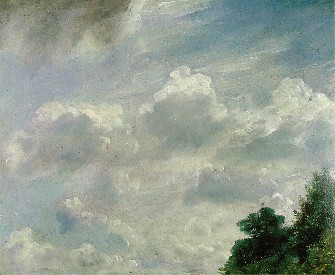
Seit einiger Zeit schaue ich in den Himmel. Ich habe das ein Leben lang nicht gemacht. Was soll an einem blöden Himmel auch schon interessant sein? Damals, als ich noch Philosophie studierte, habe ich das Naturschöne nie verstanden, es sei denn, es war katastrophisch, Fluten, Gewitter, Erdbeben und dergleichen; dann war es immerhin erhaben. Jetzt hat sich das gründlich geändert. Jeden Morgen sitze ich da, trinke Tee und starre in den Himmel und lese aus ihm lauter Kunstschönes, action painting oder die Flüchtigkeiten eines Cy Twombly. Sicher: ich komme mir bescheuert vor wegen meines Glotzens, aber ich frage mich auch, wohin es noch führen wird. So viel Kosmos. Die Wolken: gleich wieder weg, man ahnt das ja nicht. So viel Grau, man hat ja keine Ahnung. Ich hätte gerne ikonographische und metaphorologische Studien darüber, aber bis jetzt bin ich nicht wirklich fündig geworden. Dabei müsste der Himmel für die Kulturgeschichte doch immens viel hergeben. Mal sehen.
Immerhin habe ich John Constable und seine study of clouds entdeckt:

"His wife's tuberculosis first brought Constable to Hampstead in 1819. It was an ideal place for him to study the cloud formations and weather conditions that had become such an important part of his work, and he made cloud studies... regularly there. These sketches, considered among the most original aspects of his work, gained favor with collectors only after the French painters of the Barbizon school and the Impressionists helped establish a taste for free, loose, and spontaneous ways of working."Was für eine Obsession: Wolken zu malen, Öl auf Leinwand. Welche Disziplin es erfordern muss, diese eine Hundertstelsekunde, in der die Konstellation so und nicht anders ist, auf einer Leinwand stillzulegen. Study of Clouds at Hampstead. Klicken macht die Wolken größer... Mehr Gemälde von Constable gibt es über diesen Artcyclopedia-Zugang.
Kosmischer Staub aus der Meteoritensammlung des Naturhistorischen Museums zu Wien. Das Netz gibt nur behelfsweise wieder, was man empfindet, wenn man im Meteoritensaal steht, schier umzingelt von den Vitrinen, in denen vollständigkeitswütige Hofräte aus der Monarchie zusammengetragen haben, was von da draußen auf der Erde eingeschlagen hat. Nirgendwo sonst auf der Welt ist das Wispern der Steine vernehmlicher.